
Utah Sample Ballot 2026: Every Candidate on Your November Ballot
All 2026 candidates by state →
4 U.S. House districts.
- Primary Election
- June 23, 2026
- General Election
- Nov. 3, 2026
- Places Listed
- 10
- Profiles
- 190
U.S. House
U.S. House - UT-1Jesse West (Libertarian) · Ben McAdams (D) · Riley Owen (R) · Elias Henry Montgomery (Unaffiliated)
Jesse West
Top priorities
- Ending needless wars and opposing new foreign military interventions
- Protecting the environment, including the Great Salt Lake
- Reducing taxes and opposing aggressive immigration enforcement
Per the Libertarian Party candidate page.
About Jesse West
Jesse West is the Libertarian candidate for Utah's 1st Congressional District. He is a family law attorney and Chair of the Salt Lake City Libertarian Party, according to the Libertarian Party's candidate page. He moved to Utah from Tennessee in 2020 after visiting to ski, per the same source.
Ben McAdams
Top priorities
- Lowering housing costs and expanding access to affordable health care
- Defending democracy, the rule of law, and the will of voters
- Environmental protections, citing his record on reducing smog pollution and energy efficiency funding
Per the campaign site.
About Ben McAdams
Ben McAdams is the Democratic candidate for Utah's 1st Congressional District. He is a 7th-generation Utahn raised in West Bountiful by his schoolteacher mother and worked jobs including farm work, fast food, and guitar repair before entering public service, according to his campaign site. He previously served as Mayor of Salt Lake County and in the Utah State Senate, per the same source.
Riley Owen
Top priorities
- Affordable housing and paid maternity leave for working families
- Protecting children online
- Preserving the Great Salt Lake
Per the campaign site.
About Riley Owen
Riley Owen is the Republican candidate for Utah's 1st Congressional District. He serves as an intelligence officer in the Navy Reserve and describes himself as one of the first conservative Gen Z congressional nominees in the nation, with experience in government, industry, and the armed forces, according to his campaign site.
Elias Henry Montgomery
Top priorities
- Encouraging 'missing-middle' housing like duplexes and townhomes and limiting institutional purchases of single-family homes
- Ending gerrymandering through independent redistricting and proportional nomination rules to prevent party monopolies
- Shifting federal tax collection to the states over ten years and eliminating direct income taxation on individuals
Per the campaign site.
About Elias Henry Montgomery
Elias Henry Montgomery is the Unaffiliated candidate for Utah's 1st Congressional District on the November 3, 2026 ballot, per the Lieutenant Governor's 2026 candidate filings list. Describes his campaign as an independent alternative positioned 'outside the traditional red and blue dividing lines', per campaign site.
U.S. House - UT-2Carlton E. Bowen (Independent American Party) · Daniel Cottam (Libertarian) · Robert M. Moesinger (Unaffiliated) · Peter Crosby (D) · Blake D. Moore (R)
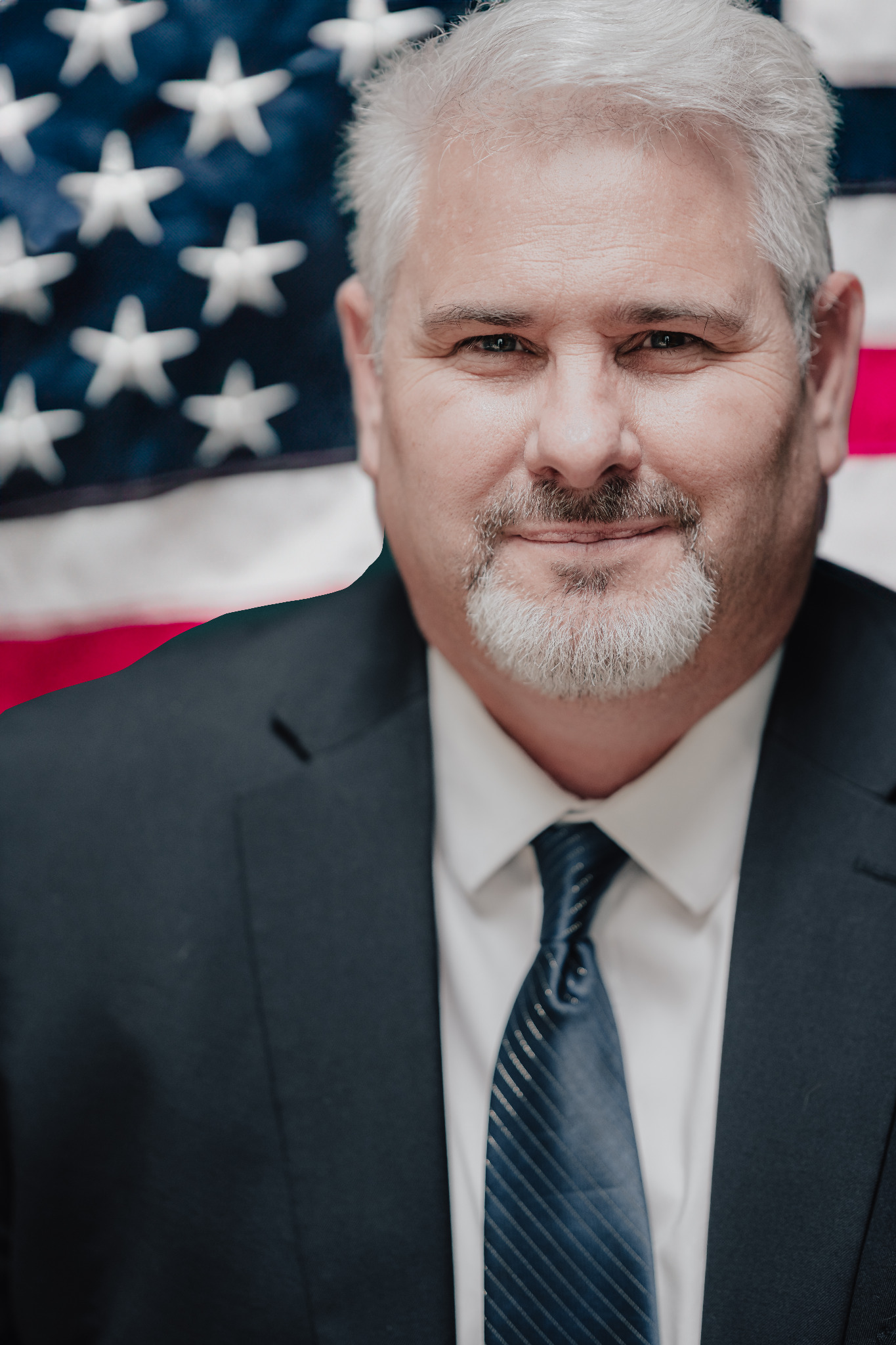
Carlton E. Bowen
Carlton E. Bowen is the Independent American Party candidate for Utah's 2nd Congressional District. He is an Air Force veteran and a former American Fork City Council member, according to KSL.
Daniel Cottam
Daniel Cottam is the Libertarian candidate for Utah's 2nd Congressional District. He works as a bariatric surgeon and has run for Congress in Utah in previous election cycles, according to KSL and Utah News Dispatch. No campaign website was found as of September 8, 2026.
Robert M. Moesinger
Top priorities
- Multi-party democracy and electoral reform, arguing 'there are too many perspectives for two parties to represent all of us'
- Collaborative, less partisan policymaking
- Restoring public faith in democratic institutions
Per the campaign site.
About Robert M. Moesinger
Robert M. Moesinger is an unaffiliated candidate for Utah's 2nd Congressional District. He works as an automation engineer, according to Utah News Dispatch. His campaign site centers on electoral reform, arguing that two parties cannot represent every perspective and calling for a more collaborative, multi-party approach to policymaking.
Peter Crosby
Top priorities
- Addressing the housing crisis and rising health care costs while supporting local jobs and small businesses
- Banning congressional stock trading and reducing corporate dark money in politics
- Protecting public lands, restoring the Great Salt Lake, and opposing the Stratos data center project in Box Elder County
Per the campaign site.
About Peter Crosby
Peter Crosby is the Democratic candidate for Utah's 2nd Congressional District. He is an adjunct professor at Utah State University's Center for Anticipatory Intelligence and spent eight years in higher education as a senior analyst and assistant director in institutional research, according to his campaign site. He holds a Master of Science in Political Science from Utah State University and describes himself as a first-generation college graduate, per the same source.
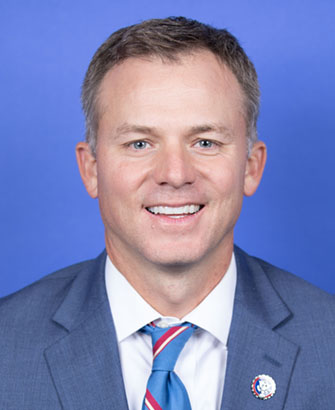
Blake D. Moore
Top priorities
- Border security and immigration policy
- Lowering costs and tax relief for families, charities, and small businesses
- Strengthening Hill Air Force Base and military capabilities
Per the campaign site.
About Blake D. Moore
Blake D. Moore is the Republican candidate for Utah's 2nd Congressional District and the sitting member of Congress. He serves as Vice Chair of the House Republican Conference, according to his campaign site, which also notes his constituent services team received the 2025 Best in Constituent Service Award from the Congressional Management Foundation.
U.S. House - UT-3Cassie Easley (Constitution Party) · Celeste Maloy (R) · Adonis Hooslyn (Unaffiliated) · Michael R. Stoddard (Libertarian) · Ayden Scott (Unaffiliated) · Kent S. Udell (D)
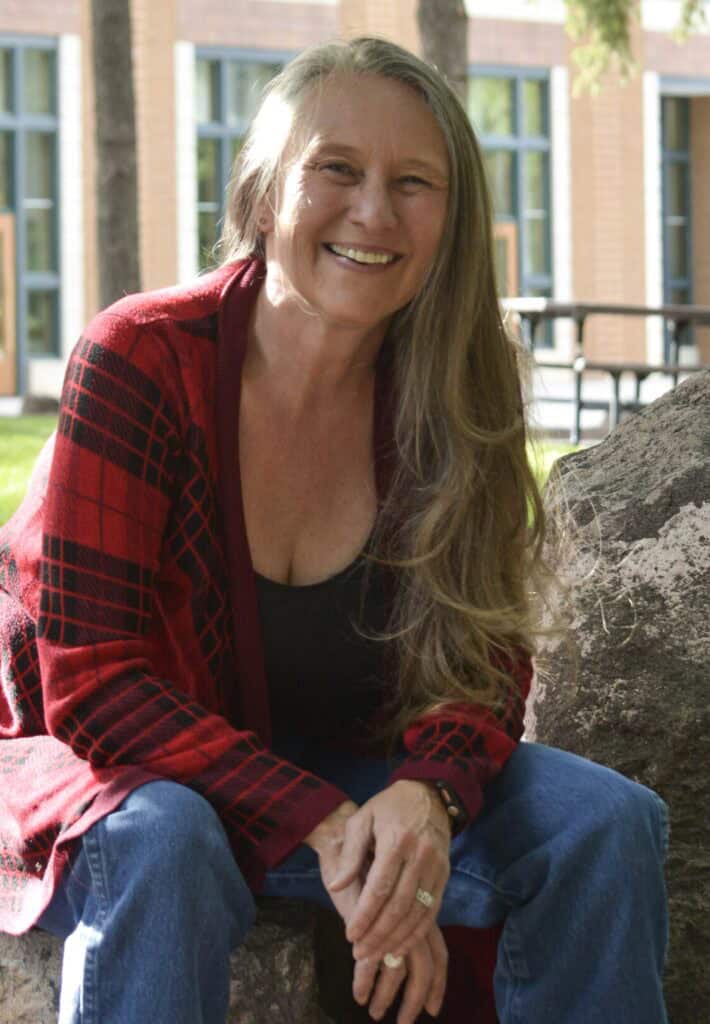
Cassie Easley
Top priorities
- Restoring constitutional limits on government power, stating 'if it isn't listed in the Constitution they can not make laws for it'
- Protecting individual liberty and reducing government overreach
- Opposing what she describes as politicians exercising power not delegated to them
Per the campaign site.
About Cassie Easley
Easley is a student at Southern Utah University pursuing an interdisciplinary major in political science, economics, and agriculture and range studies, after completing a minor in legal studies, per the campaign site. She is a certified firearms instructor and a more than 20-year resident of rural Utah, per the campaign site.
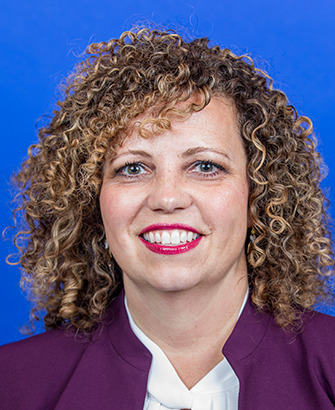
Celeste Maloy
Top priorities
- Lowering costs and increasing take-home pay
- Securing the border, including funding for the border wall and Border Patrol resources
- Reducing bureaucracy and wasteful federal spending
Per the campaign site.
About Celeste Maloy
Celeste Maloy is the Republican candidate for Utah's 3rd Congressional District and the sitting member of Congress. She holds an undergraduate degree from Southern Utah University and a law degree from BYU's J. Reuben Clark Law School, according to her campaign site. She previously worked as Deputy County Attorney in Washington County and chief legal counsel to then-Congressman Chris Stewart, per the same source.
Adonis Hooslyn
Top priorities
- Reducing housing, grocery, and utility costs
- Implementing Medicare for All
- Regulating artificial intelligence while protecting workers' jobs
Per the campaign site.
About Adonis Hooslyn
Adonis Hooslyn is an unaffiliated candidate for Utah's 3rd Congressional District. He was born to a working-class immigrant family in Ogden and holds a bachelor's degree in film and a master's degree in business from Full Sail University, according to his campaign site. He previously worked as an office manager and project coordinator at a film and TV distribution company in Los Angeles, per the same source.
Michael R. Stoddard
Michael R. Stoddard is the Libertarian candidate for Utah's 3rd Congressional District on the November 3, 2026 ballot, per the Lieutenant Governor's 2026 candidate filings list. Previously ran as the Libertarian candidate for Utah's 3rd Congressional District in 2022, per KSL.
Ayden Scott
Top priorities
- Reducing the cost of living through common-sense legislation and supporting homeownership access
- Supporting a fully funded military and veterans' benefits
- Backing legal immigration reform with secure borders while opposing sanctuary city policies
Per the campaign site.
About Ayden Scott
Scott grew up in northern Utah, earned a degree from Utah Valley University and settled in Utah County after completing a mission, per the campaign site. He has worked as a firefighter paramedic and was involved in student government, per the campaign site.
Kent S. Udell
Top priorities
- Protecting water resources, including the Great Salt Lake, Lake Powell, and the Colorado River system
- Defending the Constitution and opposing government overreach from any branch
- Fighting dark money in elections and regulatory capture
Per the campaign site.
About Kent S. Udell
Kent S. Udell is the Democratic candidate for Utah's 3rd Congressional District. He is a mechanical engineer and professor emeritus who taught for decades at UC Berkeley and the University of Utah, where he served as department chair, according to his campaign site. He is a lifelong Utah resident who lives near Moab with his wife, Cherise, per the same source.
U.S. House - UT-4Jonny Larsen (D) · Taylor Wright (Libertarian) · Mike Kennedy (R) · Steven Burt (Unaffiliated)
Jonny Larsen
Top priorities
- Affordable childcare and ensuring no one lives in poverty or goes without affordable health care
- Keeping public lands in public hands and supporting farmers and ranchers
Per the campaign site.
About Jonny Larsen
Jonny Larsen is the Democratic candidate for Utah's 4th Congressional District. He is a Marine Corps veteran who served as a Sergeant, according to his campaign site, which describes him as a 'Blue Dog Democrat' committed to working across the political divide.

Taylor Wright
Top priorities
- Limiting federal power and holding Congress and the executive branch to the Constitution
- Avoiding unnecessary military interventions and prioritizing free trade and diplomacy
- Opposing tariffs and other government market distortions
Per the campaign site.
About Taylor Wright
Taylor Wright is the Libertarian candidate for Utah's 4th Congressional District. He works as a physical education teacher and works extensively with adults with special needs, according to his campaign site.
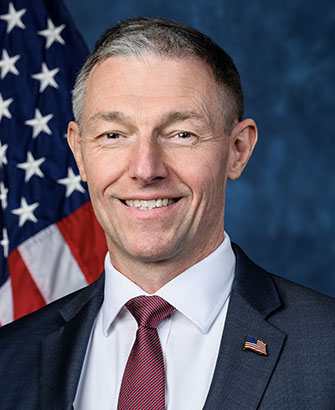
Mike Kennedy
Top priorities
- Lowering costs for families and addressing inflation
- Securing the border
- Protecting constitutional privacy rights against government surveillance
Per the campaign site.
About Mike Kennedy
Mike Kennedy is the Republican candidate for Utah's 4th Congressional District and the sitting member of Congress. He is a family physician and attorney who practiced medicine in Utah County for more than two decades, according to his campaign site, which also notes he served ten years in Utah's part-time State Legislature before being elected to Congress.
Steven Burt
Top priorities
- Common-sense energy policy informed by his solar industry background
- Offering independent representation for voters unhappy with both major parties
- Has provided pro bono legal representation, particularly on immigration matters
Per the campaign site.
About Steven Burt
Steven Burt is an unaffiliated candidate for Utah's 4th Congressional District. He is a licensed attorney with nearly 20 years of legal practice who has spent the last decade working as in-house counsel and an executive in the solar energy sector, according to his campaign site. He was born and raised in South Jordan, where he currently lives with his family, per the same source.
Ballot measures
Ballot measures2 statewide measures on the 2026 ballot
2 statewide measures are on Utah's 2026 ballot.
60% Vote Requirement for Ballot Initiatives to Increase or Expand Taxes AmendmentRequire a supermajority requirement of 60% by voters for citizen-initiated ballot measures that create new taxes, increase existing tax rates, or for a property tax.Constitutional amendment (legislative referral)
Publication Requirements for Constitutional Amendments MeasureRequire that constitutional amendments appearing on the ballot must be published for a period of 60 days.Constitutional amendment (legislative referral)
All Utah ballot measures, explainedJudges
Judges1 tracked judges on the retention ballot
Retention questions are a yes-or-no vote on keeping a sitting judge.
Utah Supreme Court
- Jill M. Pohlman
Your county
Choose your countyLocal races for all 29 counties and 1 city
All 29 counties, A to Z
See your full ballot
Voting info and more
Voting info and more
Election Day is Tuesday, November 3, 2026. Dates below come from the Utah election office as of 2026-09-04; confirm on the official page or check your registration and polling place.
- Voter registration deadline
- online by Friday, October 23, 2026; by mail Friday, October 23, 2026; in person by Tuesday, November 3, 2026; same-day registration is available
- Early voting
- Tuesday, October 20, 2026 through Monday, November 2, 2026
- Mail ballot
- request by Monday, November 2, 2026; return: Mail ballots must be RECEIVED by the election officer by 8:00 p.m. on Election Day, November 3, 2026;; no excuse needed
- Election Day hours
- 7:00 a.m. to 8:00 p.m.
- Where to vote
- Find your polling place with the Utah election office's official lookup.
- ID at the polls
- Already-registered voters need ONE valid, unexpired photo ID (Utah driver license, Utah/US government-issued ID card, Utah concealed-carry permit, US passport, tribal ID, or valid US military ID) OR TWO documents that together prove name and current address (e.g., birth certificate, Social Security card, government check, hunting/fishing license, naturalization documents, EBT/Medicaid/Medicare card, or a local government/employer/college ID). Provisional voters (not already registered) need two forms: one for identity, one for residence.
- Judges on the ballot
- 1 tracked judges on the retention ballot (yes or no on keeping each seat): see every judge on the Utah ballot
When is the Utah 2026 primary election?
Utah's 2026 state primary was held on June 23, 2026; the general election is November 3, 2026. Check your registration and polling place with your state election office.
When is the voter registration deadline in Utah for the November 2026 election?
To vote in Utah's November 3, 2026 general election, register online by Friday, October 23, 2026; by mail Friday, October 23, 2026; in person by Tuesday, November 3, 2026; same-day registration is available, per the state election office.
When does early voting start in Utah for the November 2026 election?
Early in-person voting in Utah runs Tuesday, October 20, 2026 through Monday, November 2, 2026, per the state election office.
What is the deadline to request a mail ballot in Utah for November 2026?
Utah mail ballots: request by Monday, November 2, 2026; return: Mail ballots must be RECEIVED by the election officer by 8:00 p.m. on Election Day, November 3, 2026;; no excuse needed, per the state election office.
Where do I vote in Utah in November 2026?
Polling places are assigned by address. Use the Utah election office's official lookup at https://vote.utah.gov to find yours; early-voting sites are listed there as well.
Which judges are on the Utah ballot in 2026?
1 appellate judges and justices appear on Utah's November 3, 2026 ballot: Jill M. Pohlman. Utah Supreme Court justices and Court of Appeals judges are appointed by the governor from a nominating commission's list, confirmed by the state Senate, and then stand periodically in nonpartisan, uncontested retention elections; Supreme Court justices are retained every 10 years and Court of Appeals judges every 6 years, each needing a majority yes vote. The Utah Judicial Performance Evaluation Commission reviews and publishes a recommendation on each judge standing for retention before the election. Source: Utah Code Title 20A, Chapter 12, Part 2, https://le.utah.gov/xcode/Title20A/Chapter12/C20A-12-P2_1800010118000101.pdf
U.S. House districts: find yours by addressAll Utah candidatesVoting resourcesElection calendarHow this guide is built